Jakob Hansen · 19 October 2026
Vocational Graduates in Poland Harness Climate Training to Fuel Regional Green Employment Expansion
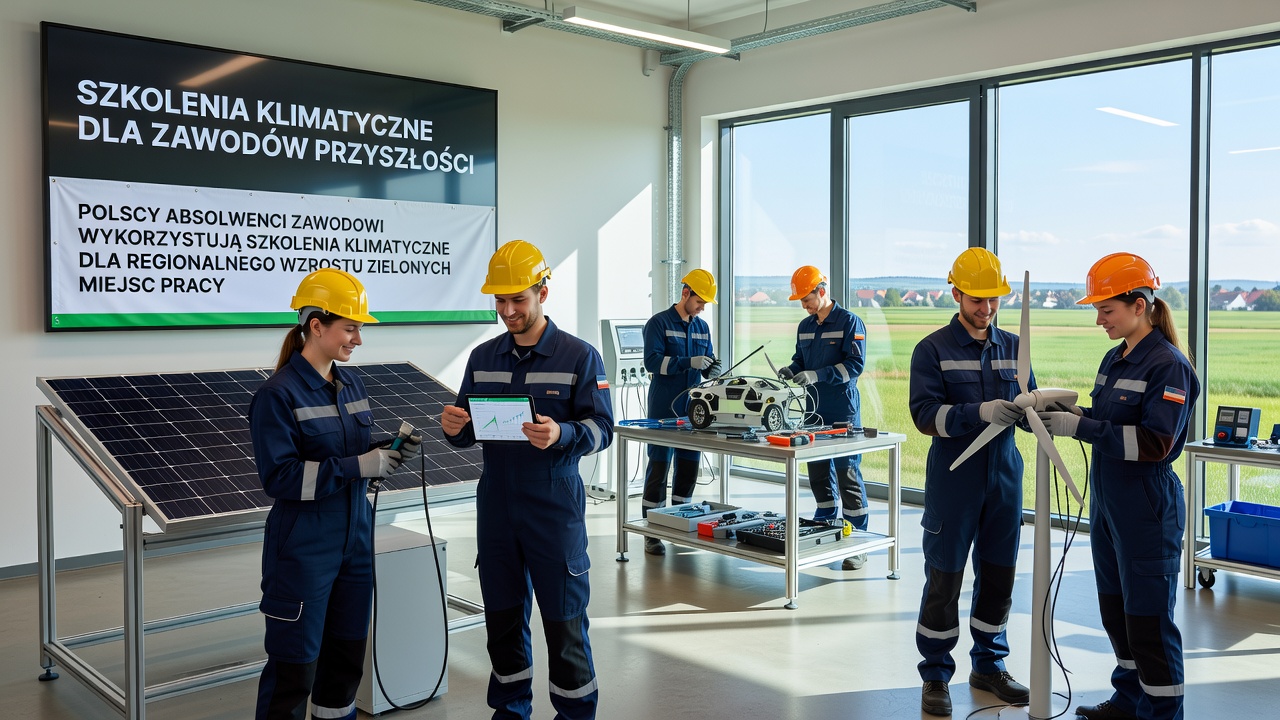
Vocational education programs across Poland have incorporated climate-focused modules that equip graduates with practical skills in renewable energy systems, sustainable resource management, and energy efficiency techniques, and these additions align with broader European Union directives on the green transition which began accelerating after 2020. Data from national labor statistics indicate that regions such as Silesia and Lesser Poland have seen vocational graduates secure positions in solar panel installation, wind turbine maintenance, and eco-friendly construction at rates that rose steadily through 2025.
Expansion of Specialized Training Curricula
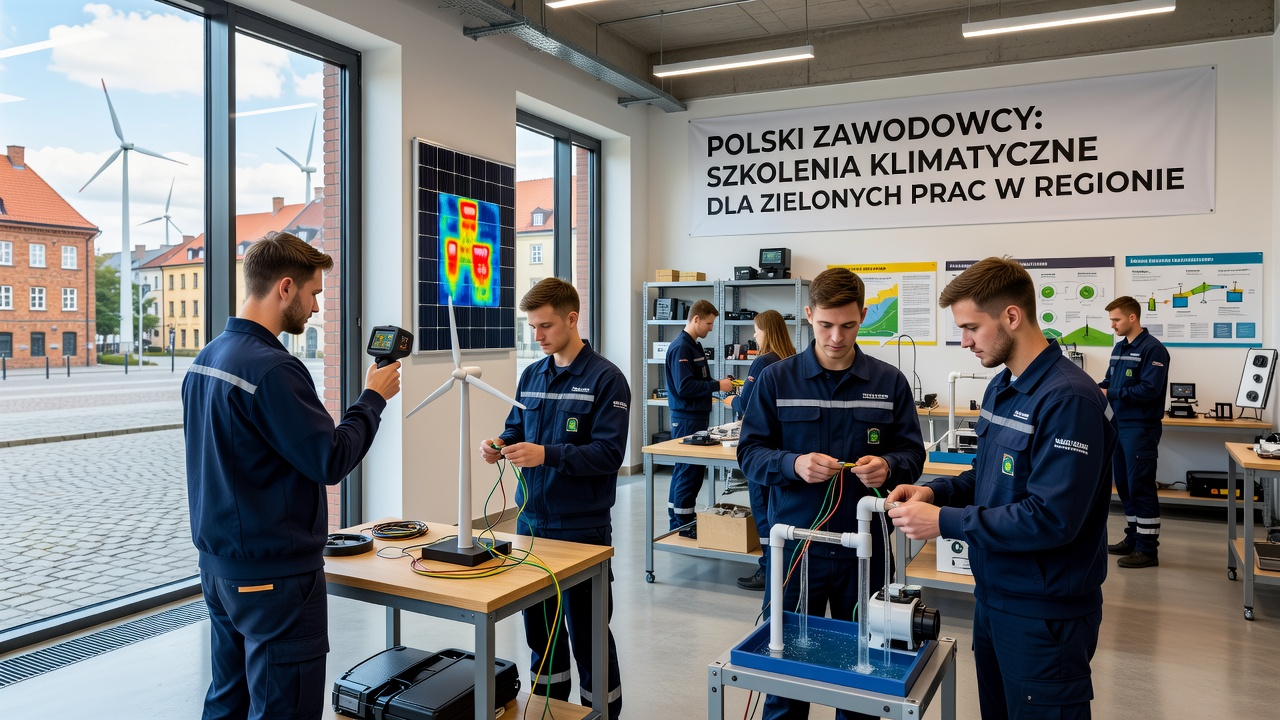
Training centers in smaller cities and rural areas started integrating climate modules into existing vocational tracks by 2023, covering areas like photovoltaic technology, biomass utilization, and circular economy principles, while instructors drew from updated guidelines issued by the Polish Ministry of Education and Science. Enrollment figures released in October 2026 showed a 28 percent increase in participation compared with the previous year, particularly among students from communities transitioning away from coal-dependent industries. These programs often combine classroom instruction with apprenticeships at local green enterprises, allowing participants to apply concepts directly in field settings.
Employment Outcomes in Key Regions
Graduates who completed climate training sequences have moved into roles supporting regional green job growth, with employment data revealing higher placement rates in sectors tied to the EU Green Deal objectives. In Pomerania, for instance, former vocational students now contribute to offshore wind projects and coastal restoration efforts, and similar patterns appear in the Lubusz Voivodeship where sustainable forestry and organic farming initiatives have absorbed new workers. Government reports track these shifts through quarterly surveys that document job creation numbers without attributing causality to any single factor.
Support Mechanisms and Partnerships
Regional development agencies have coordinated with vocational schools to supply equipment grants and instructor development workshops, and these efforts draw on funding streams established under Poland's National Recovery and Resilience Plan. Observers note that partnerships with industry groups have introduced certification pathways recognized by employers in both domestic and international markets. Labor market analyses from sources such as the OECD green growth reports highlight how such targeted skill-building correlates with reduced unemployment in transitioning areas, though outcomes vary by specific locale and economic conditions.
Challenges and Ongoing Adjustments
Vocational institutions continue to address gaps in digital literacy components that complement climate training, since many green technologies require proficiency with monitoring software and data analysis tools. Adjustments made in late 2025 included expanded access to simulation labs in underserved counties, and preliminary indicators from October 2026 suggest these measures are helping maintain momentum. Regional authorities monitor progress through standardized metrics that track both completion rates and subsequent employment in qualified green occupations.
Conclusion
Polish vocational graduates who acquire climate-related competencies continue to enter expanding green job markets in multiple regions, supported by structured training updates and coordinated regional initiatives. Available employment statistics and program enrollment trends through October 2026 reflect this pattern of skill alignment with emerging economic demands. Further monitoring by national and international bodies will document how these developments evolve alongside broader sustainability targets.