Avery Flores · 2 November 2026
Tech Collaborations Drive Digital Competency Development Among Poland's Future Workforce
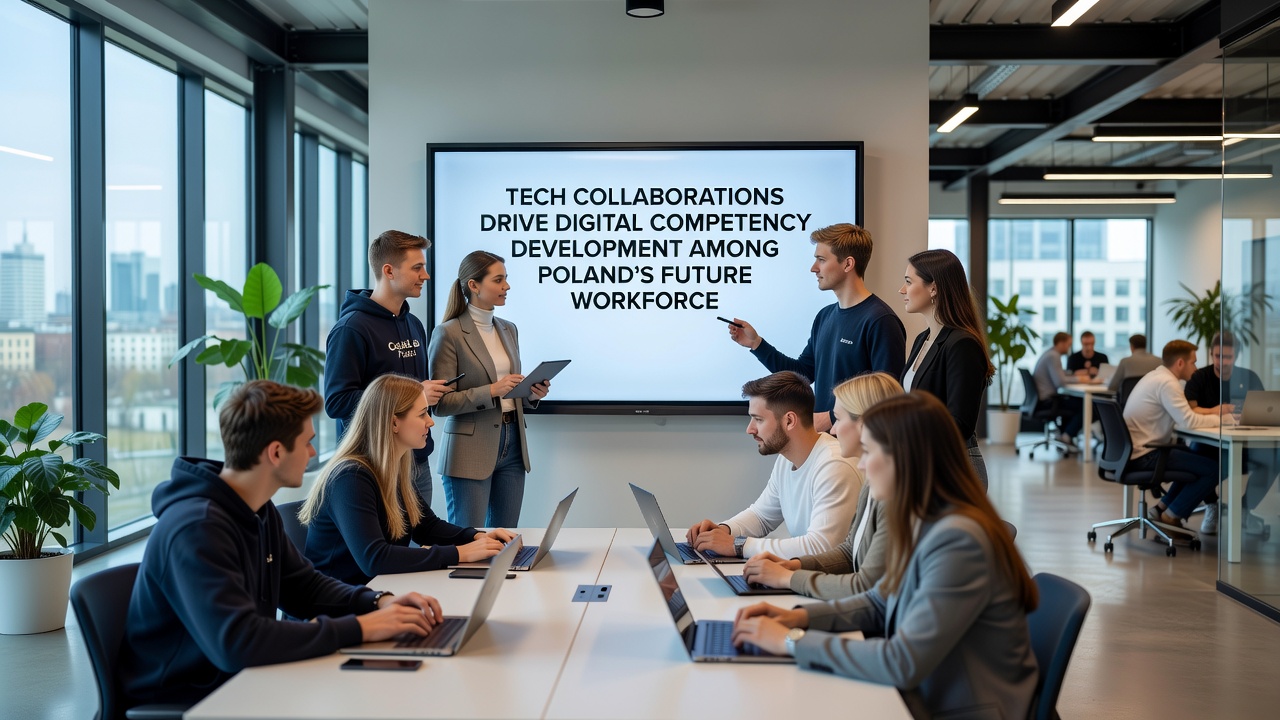
Partnerships between technology companies and Polish educational institutions continue to expand digital competency programs across secondary schools and universities, with initiatives focusing on coding, data analytics, cybersecurity, and artificial intelligence training. These collaborations connect curriculum development directly to industry requirements, allowing students to gain practical experience through internships, joint research projects, and specialized workshops that align with employer demands in the growing tech sector.
Data from recent assessments show increased enrollment in digital skills courses at vocational institutions in regions including Mazovia and Lesser Poland, where companies such as software developers and IT service providers have established formal agreements with local polytechnics. According to the European Commission's Digital Economy and Society Index, Poland recorded steady gains in digital skills proficiency among young adults between 2023 and 2025, reflecting broader EU trends in workforce preparation.
Partnership Models Taking Shape
Tech firms provide hardware, software platforms, and expert instructors while schools adapt their teaching methods to incorporate real-time project work, and observers note that such arrangements often include certification pathways recognized across European labor markets. In several cases, these programs integrate remote collaboration tools that allow students in smaller cities to participate alongside peers from major centers like Warsaw and Krakow, reducing geographic barriers to advanced training.
Researchers tracking outcomes report that participants demonstrate measurable improvements in problem-solving benchmarks after completing joint modules, with follow-up data indicating higher rates of employment in digital roles within six months of graduation. Government records from the Ministry of Digital Affairs highlight funding allocations that support these efforts through 2027, including grants for equipment upgrades and teacher professional development sessions.
Regional Expansion and November 2026 Milestones
Programs have extended into additional voivodeships during 2026, building on pilot projects that began earlier in the decade, and figures reveal participation from over 150 educational institutions by mid-year. Events scheduled for November 2026 include a national skills forum where representatives from industry and academia will review progress on competency frameworks, with sessions dedicated to emerging areas such as machine learning applications in manufacturing and secure cloud infrastructure management.
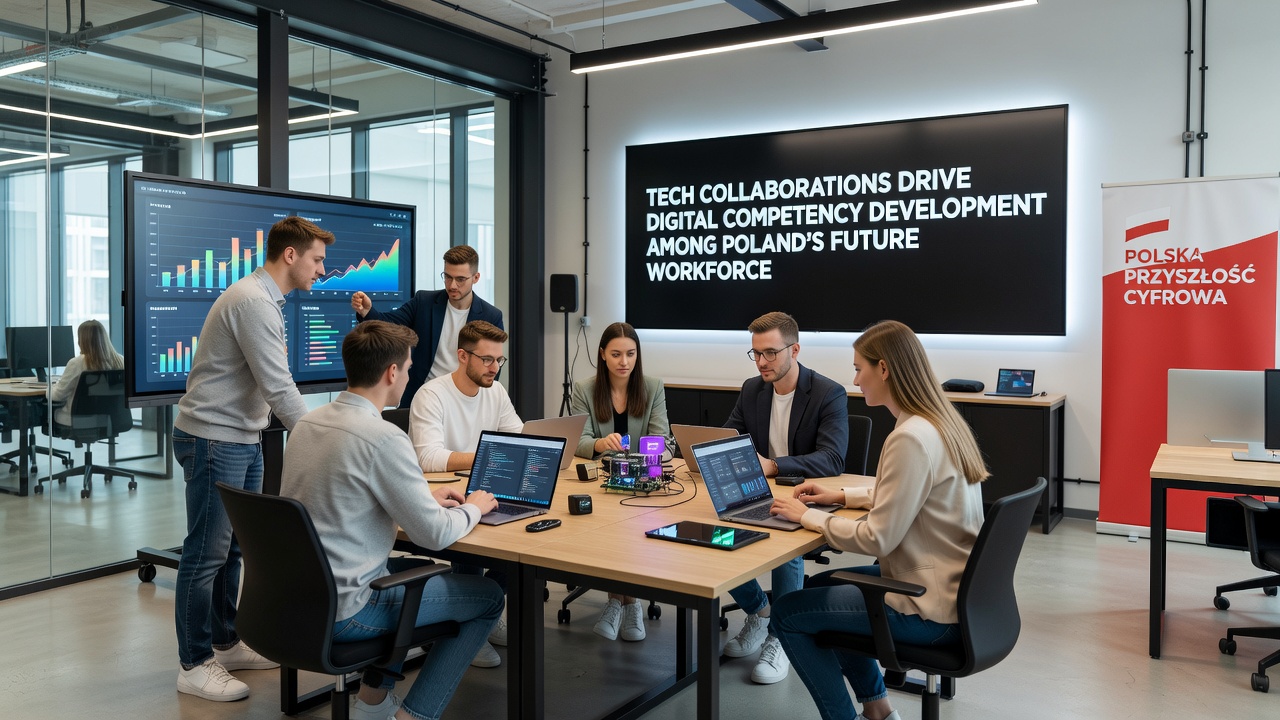
One documented example involves a multinational software company working with technical secondary schools in Silesia to deliver modules on network security, resulting in student teams completing industry-standard simulations and earning credentials that transfer to apprenticeship placements. Similar arrangements in the Pomerania region focus on data visualization tools, connecting classroom exercises to ongoing business analytics projects at partner organizations.
Measuring Outcomes Across Demographics
Statistical reviews compiled by national education authorities indicate balanced participation across gender lines in many of these digital programs, although disparities persist in certain rural districts where broadband access remains limited. Reports from the OECD on skills development underscore the role of public-private initiatives in addressing such gaps through mobile training units and online resource sharing.
Employment statistics released by Polish labor offices show a correlation between completion of collaborative digital courses and entry into information technology positions, with many graduates securing roles in software development, IT support, and digital marketing teams at both domestic and international firms operating in the country. Longitudinal studies continue to monitor retention rates and career progression among these cohorts over the coming years.
Future Directions in Competency Building
Planning documents from educational consortia outline further integration of virtual reality training environments and automated assessment platforms in upcoming semesters, aiming to scale successful pilots to additional student populations. Industry associations have contributed input on evolving skill priorities, including quantum computing fundamentals and ethical AI deployment practices, ensuring that curricula remain responsive to technological shifts.
Cross-border exchanges facilitated by these collaborations allow Polish students to engage with counterparts in other EU member states on joint digital projects, fostering language skills alongside technical competencies. Records indicate growing interest from additional technology providers seeking to establish similar partnerships as enrollment trends stabilize at higher levels.
Conclusion
Tech collaborations have become a central mechanism for advancing digital competencies among Poland's emerging workforce, supported by structured partnerships, measurable program outcomes, and scheduled reviews in November 2026. Continued alignment between educational institutions and industry partners sustains momentum in skill development across regions, with data tracking providing ongoing insights into employment pathways and curriculum effectiveness.