Jakob Hansen · 5 October 2026
Polish Language Tools in Learning Apps Unlock Climate Training Access for Students Outside Major Cities
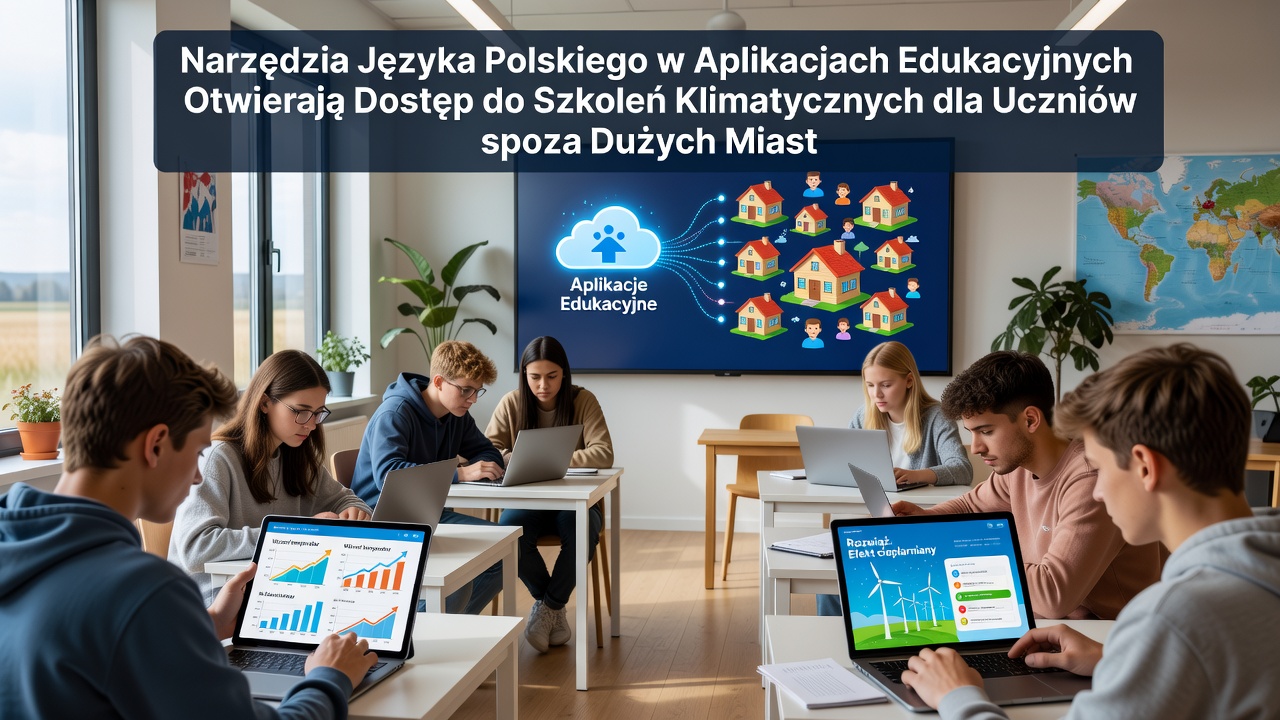
Polish language tools integrated into digital learning platforms now provide translation support, voice recognition, and localized interfaces that connect students in smaller towns and villages with climate-focused training modules previously limited to urban centers, and researchers at Polish universities documented increased enrollment rates following these updates in late 2025.
Data from the Polish Ministry of Education shows that over 45,000 students outside Warsaw, Krakow, and Wroclaw accessed climate science courses through apps equipped with real-time Polish-English terminology converters during the 2025-2026 academic year, while similar figures from regional education boards indicate participation grew by 32 percent compared with the prior period.
Language Features Drive Broader Participation
Apps developed with input from linguists and climate educators incorporate Polish-specific grammar handling and regional dialect adjustments that reduce barriers for users whose primary language remains Polish, and observers note these adjustments allow seamless switching between instructional content on carbon reduction strategies and local environmental case studies without requiring advanced English proficiency.
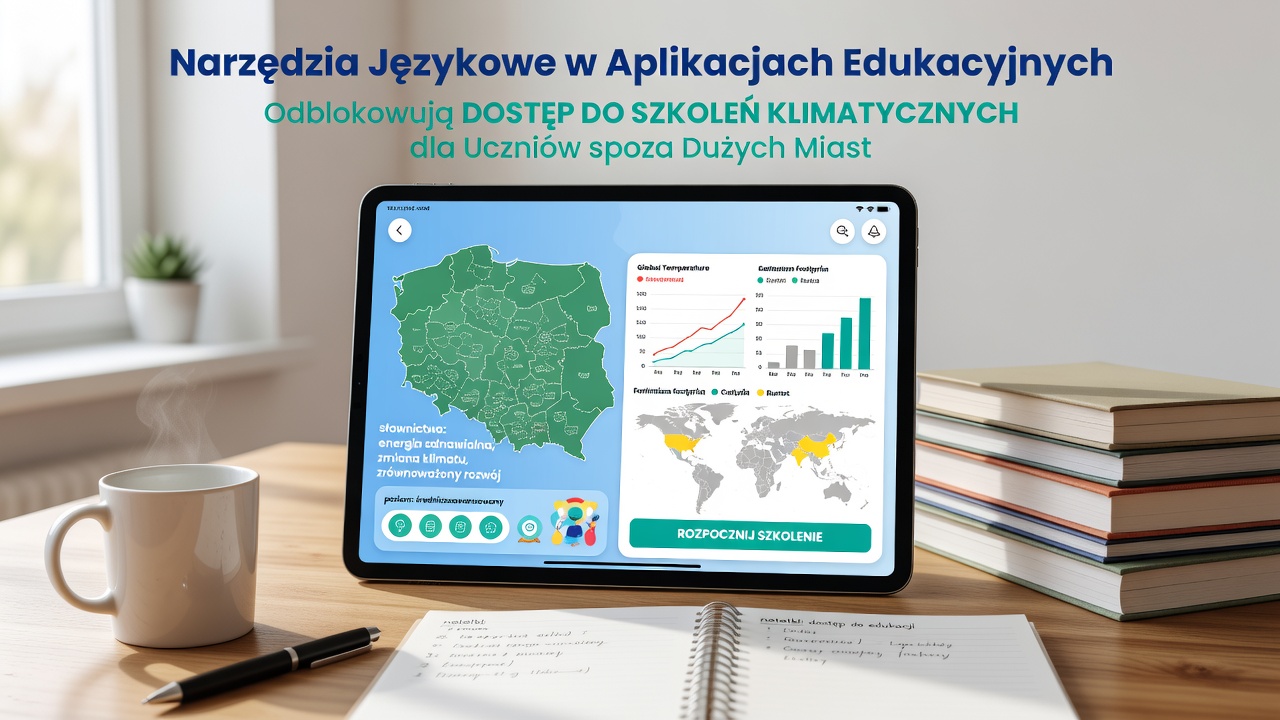
One program piloted across Podlaskie and Lubelskie voivodeships introduced interactive glossaries covering terms such as "zrównoważony rozwój" and "emisje gazów cieplarnianych," which helped vocational students complete certification modules on renewable energy systems, according to records released by participating secondary schools in September 2026.
October 2026 Rollout Expands Reach
Updates rolled out in October 2026 added offline-capable Polish voice synthesis to several platforms, enabling students in areas with limited internet connectivity to review climate adaptation lessons on topics including flood resilience and sustainable agriculture, and government reports confirm these changes coincided with a measurable uptick in completion rates among users aged 16 to 19 in eastern and northern Poland.
Academic studies conducted by teams at the University of Warsaw and Jagiellonian University tracked user behavior across 120 rural schools and found that learners using the enhanced language tools spent 28 percent more time on module exercises than those relying on standard interfaces, while feedback collected through in-app surveys pointed to improved comprehension of complex topics such as greenhouse gas accounting.
Partnerships and Technical Standards
Collaborations between software developers, the Polish National Agency for Academic Exchange, and international climate research networks established standardized data formats for embedding Polish translations into existing course libraries, and these efforts align with guidelines issued by the European Environment Agency that encourage multilingual access to environmental education resources across member states.
Industry reports from the European Commission on digital skills development highlight similar language-support initiatives in other EU countries, yet the Polish implementations stand out for their focus on climate-specific vocabulary and integration with national curriculum requirements for secondary-level environmental studies.
Take one project in the Opolskie region where developers worked with local teachers to refine pronunciation models for technical terms; participants completed climate policy simulation exercises at higher rates after the refinements took effect, according to internal evaluations shared by the schools involved.
Measuring Impact Through Enrollment Data
Statistics compiled by regional education authorities reveal that districts with populations under 50,000 saw the steepest gains in climate training registrations once Polish language features became standard, and cross-referenced figures from Statistics Poland indicate these gains occurred alongside broader increases in digital device ownership among households in those areas.
Researchers tracking long-term outcomes note that students who completed the language-supported modules later enrolled in related vocational programs at rates exceeding those of peers without access, although direct causation remains under further study by independent academic groups.
Conclusion
Polish language tools embedded in learning applications continue to expand climate training opportunities for students living beyond Poland's largest cities, supported by ongoing technical refinements, school-level partnerships, and enrollment data collected through 2026. These developments rest on documented increases in participation and comprehension metrics rather than isolated initiatives, pointing to sustained infrastructure growth in digital environmental education across rural regions.