Jakob Hansen · 7 September 2026
Localized Digital Platforms Fuel Green Skills Growth in Rural Polish Communities
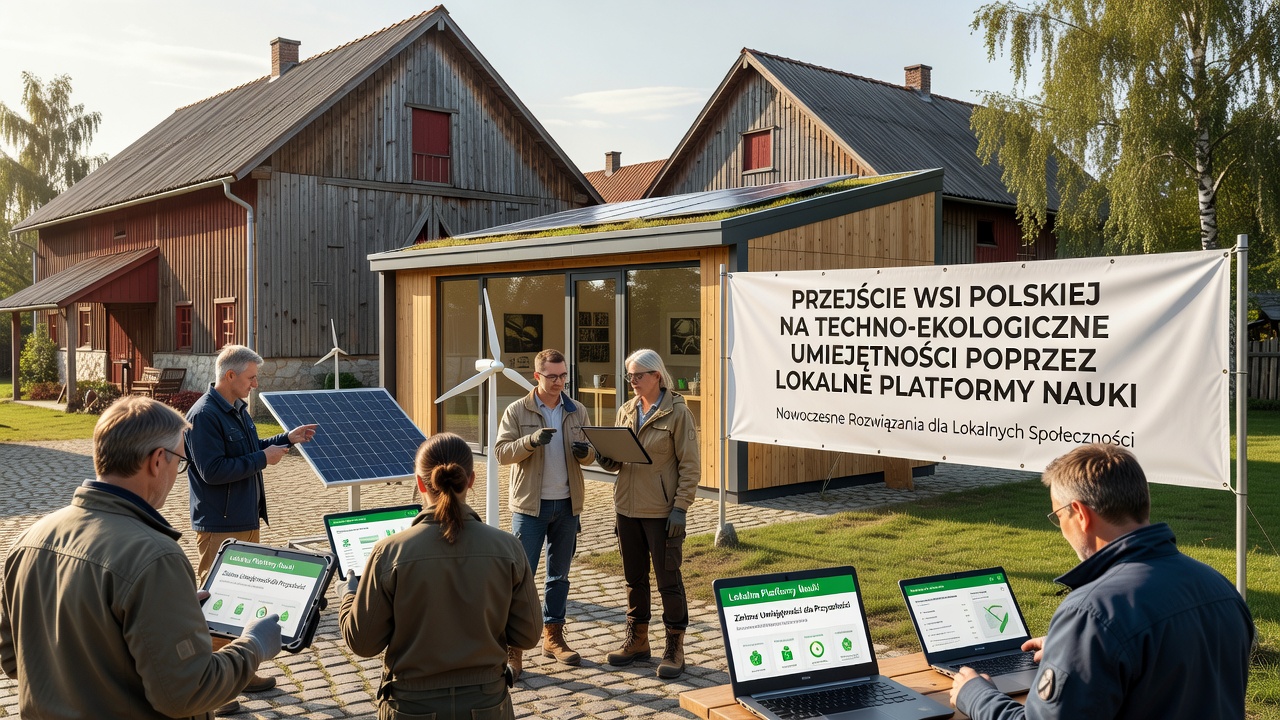
Poland's rural regions have seen measurable expansion in tech-enabled training programs focused on green skills, driven by localized online platforms that deliver specialized content directly to farming communities and small towns. These platforms combine digital modules on renewable energy systems, sustainable agriculture techniques, and circular economy practices with region-specific adaptations that account for local soil conditions, climate patterns, and existing infrastructure. Data from national education statistics show enrollment in such programs rising steadily since 2023, particularly in voivodeships like Podlaskie and Lubelskie where traditional farming dominates the economy.
Platform Design and Regional Adaptation
Developers create these tools with input from local cooperatives and agricultural extension services, ensuring lessons translate into immediate applications such as precision irrigation using sensor networks or waste-to-energy conversions on family farms. Modules often incorporate real-time data feeds from Polish meteorological stations and soil databases maintained by the Institute of Soil Science and Plant Cultivation, allowing users to run simulations tailored to their specific plots. This approach reduces the gap between theoretical instruction and on-ground implementation, which studies from the European Commission's rural development reports have linked to higher retention rates among adult learners in dispersed settlements.
September 2026 Program Expansions
Starting in September 2026, several regional initiatives roll out updated course catalogs that add advanced tracks on carbon accounting software and biodiversity monitoring drones. These additions build on existing frameworks already used by over 12,000 rural participants across Poland, according to figures released by the Ministry of Agriculture and Rural Development. Partnerships with technical universities in Kraków and Wrocław supply updated content on photovoltaic maintenance and bio-based materials, while mobile app versions accommodate areas with limited broadband through offline caching and community Wi-Fi hubs established under EU cohesion funding.
One documented case involves a network of villages in the Świętokrzyskie region where platform users formed study groups that later secured municipal grants for solar-powered irrigation pilots. Such outcomes align with broader patterns tracked by OECD analyses of green transition programs in Central Europe, where localized delivery correlates with faster adoption of low-emission practices compared to centralized classroom models.
Workforce Outcomes and Economic Indicators
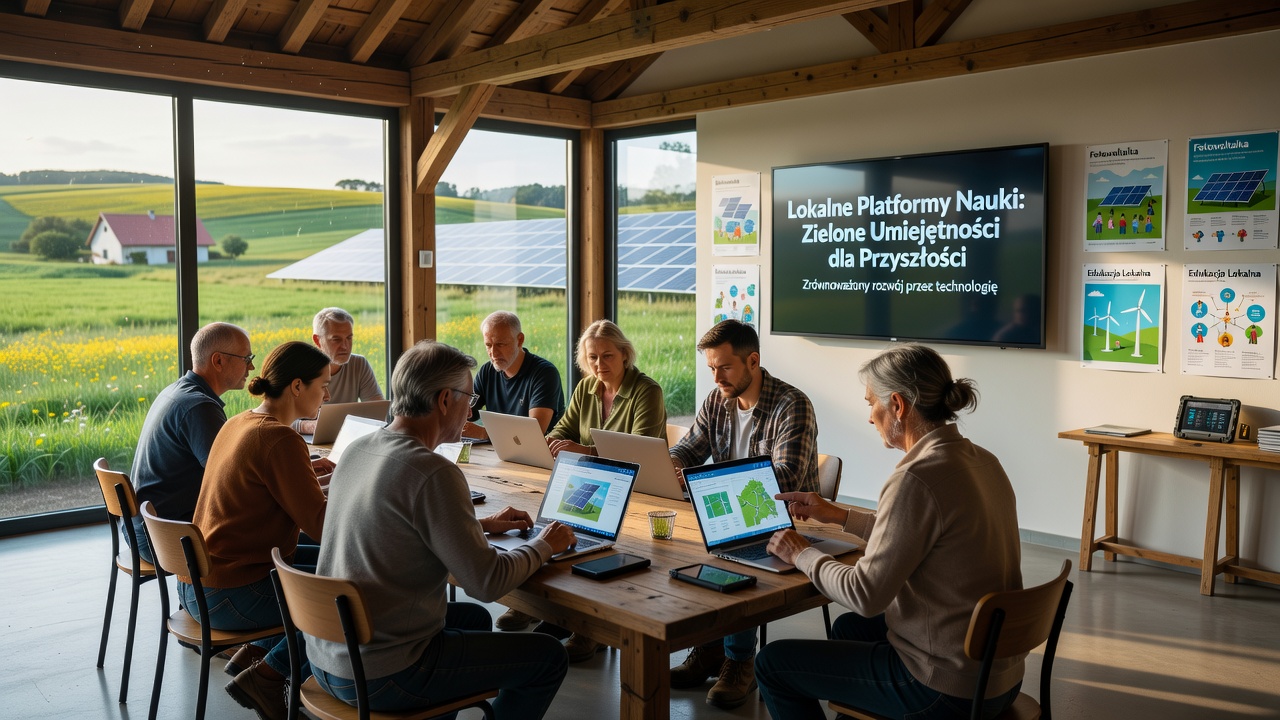
Employment data collected by Poland's Central Statistical Office indicate that graduates of these programs experience a 23 percent higher placement rate in roles involving environmental technology maintenance or eco-tourism operations than peers without digital green training. Companies operating in renewable energy supply chains report recruiting directly from platform user bases, citing the practical project portfolios participants build during coursework. In parallel, small and medium enterprises in rural areas have integrated platform certifications into hiring criteria, particularly for positions handling EU-compliant sustainability reporting.
Researchers tracking these trends note that the combination of gamified progress tracking and peer discussion forums on the platforms helps sustain engagement across seasonal work cycles typical in agriculture. Completion rates average 68 percent for multi-week courses, a figure that holds steady even in communities with seasonal migration patterns, based on internal platform analytics shared in academic papers from Jagiellonian University.
Integration With National Policy Frameworks
These localized efforts operate within Poland's commitments under the European Green Deal, which sets binding targets for emissions reductions and biodiversity protection by 2030. Funding streams from the National Recovery and Resilience Plan allocate resources specifically for digital infrastructure upgrades in underserved counties, enabling wider access to high-speed connections required for interactive simulations. Government dashboards now aggregate platform usage statistics alongside traditional agricultural output metrics, providing policymakers with granular views of skill development in real time.
International comparisons appear in reports from Australia's CSIRO, which examined similar digital extension models in remote farming districts and found parallel improvements in technology uptake when content remains hyper-localized rather than translated from urban-centric materials. Polish implementers have adapted several of those design principles, including offline-first architectures and integration with existing farm advisory networks.
Conclusion
The shift toward tech-enabled green skills in rural Poland continues through iterative platform refinements that respond to user feedback and emerging regulatory requirements. Ongoing monitoring by national agencies and academic partners supplies the evidence base needed to adjust content priorities ahead of further EU milestone deadlines. As more communities gain reliable digital access, participation metrics and employment linkages offer concrete indicators of how these tools reshape workforce capabilities in traditionally agrarian settings.